Off-Market Verbier Chalet
Further details available on request.
A genuine current TDRE opportunity already shown on the main Verbier page. Exact property details and availability are reconfirmed before disclosure.
View / Discuss This Chalet
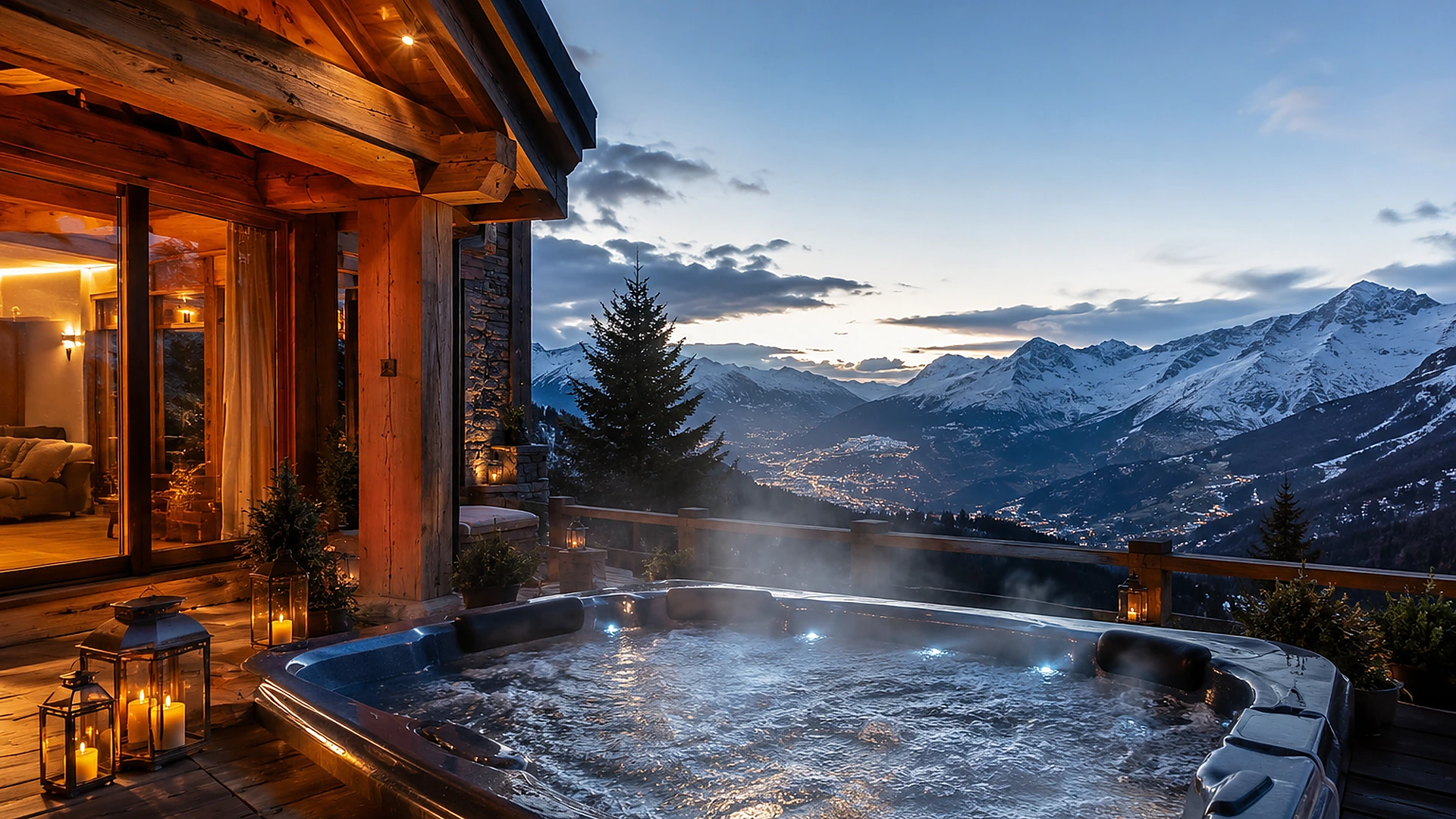
Buying a chalet in Verbier is rarely just a question of bedrooms and asking price. Location, condition, ski access, views, legal status and future investment can make two apparently similar properties very different purchases.
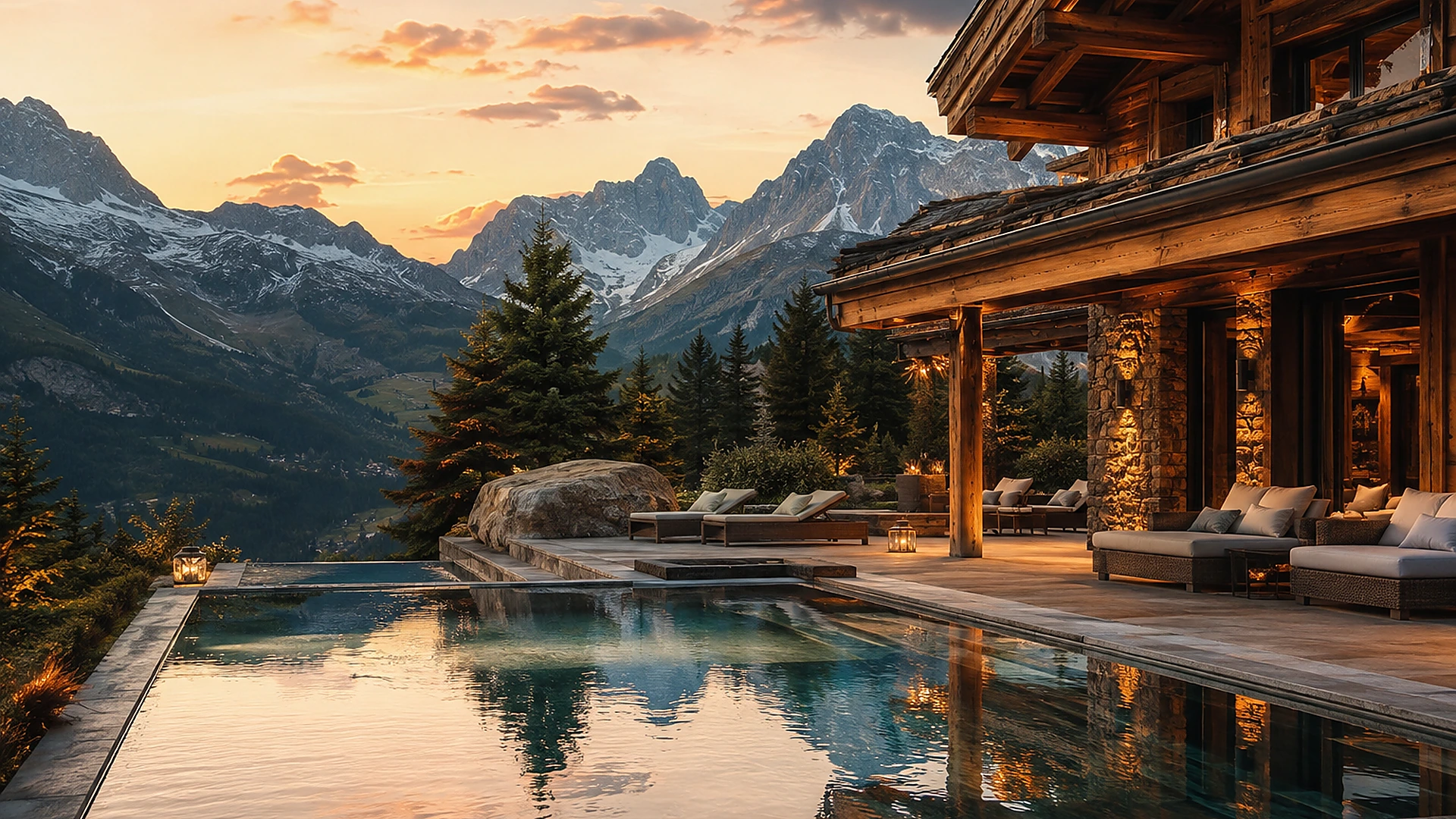
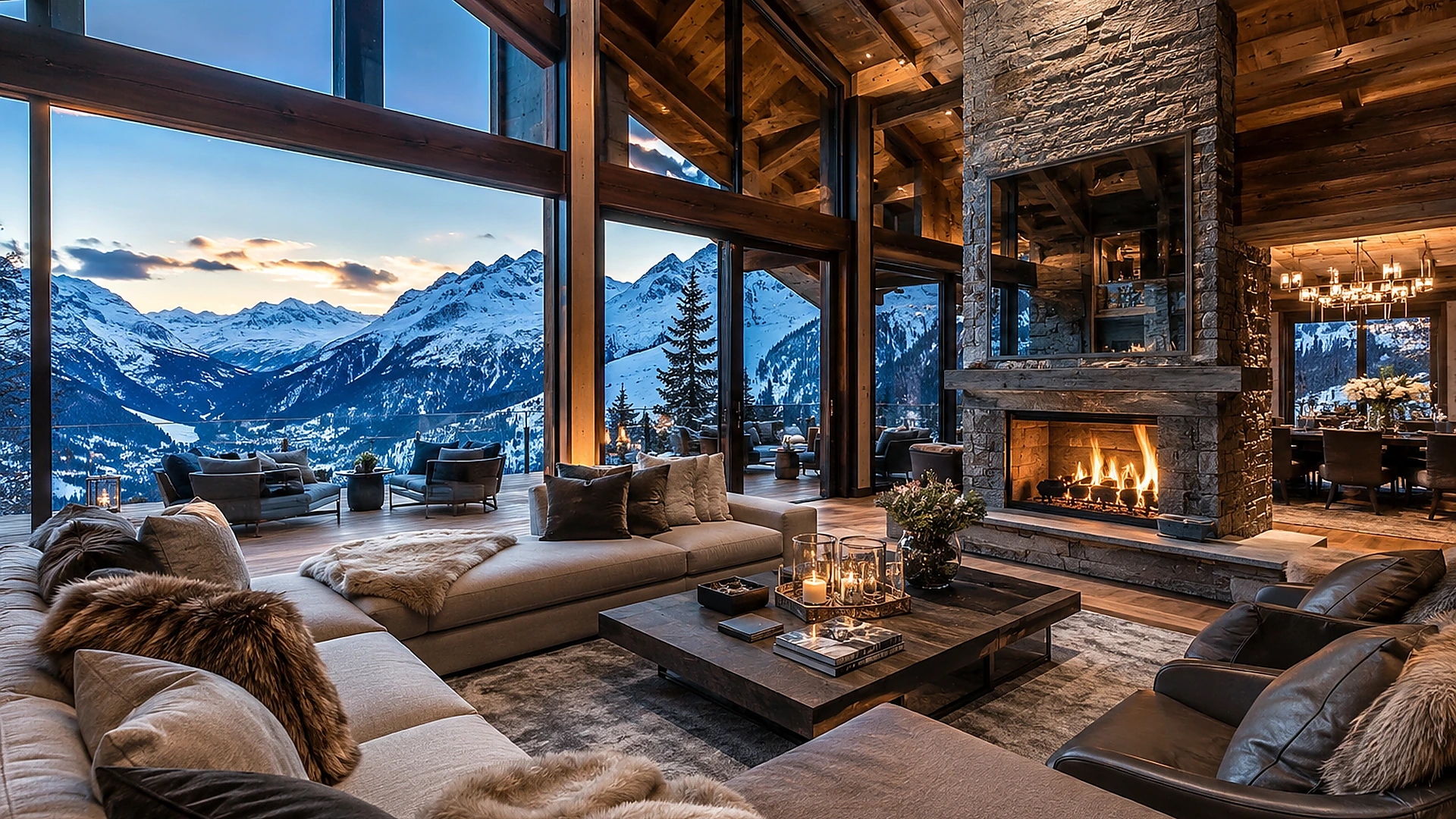
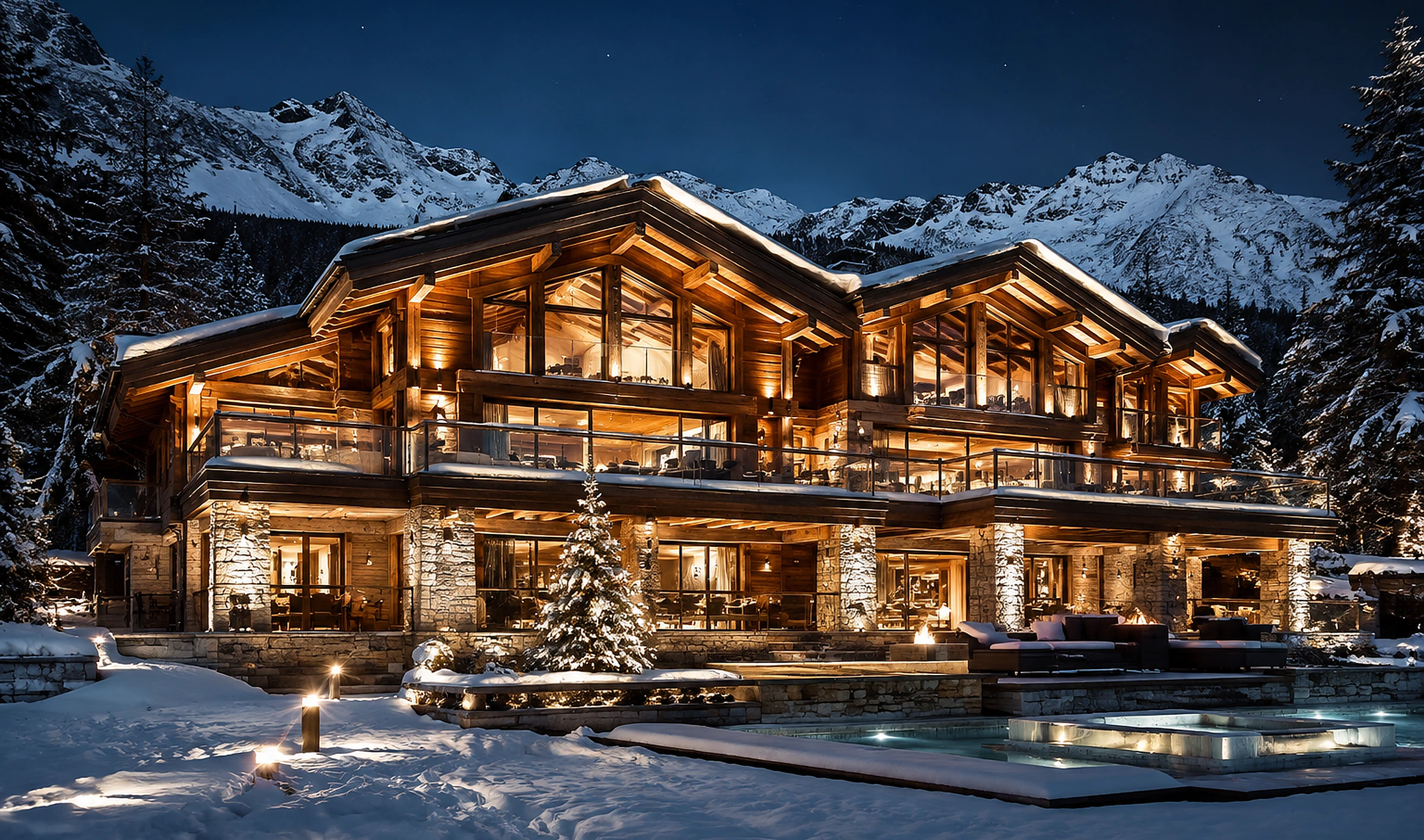
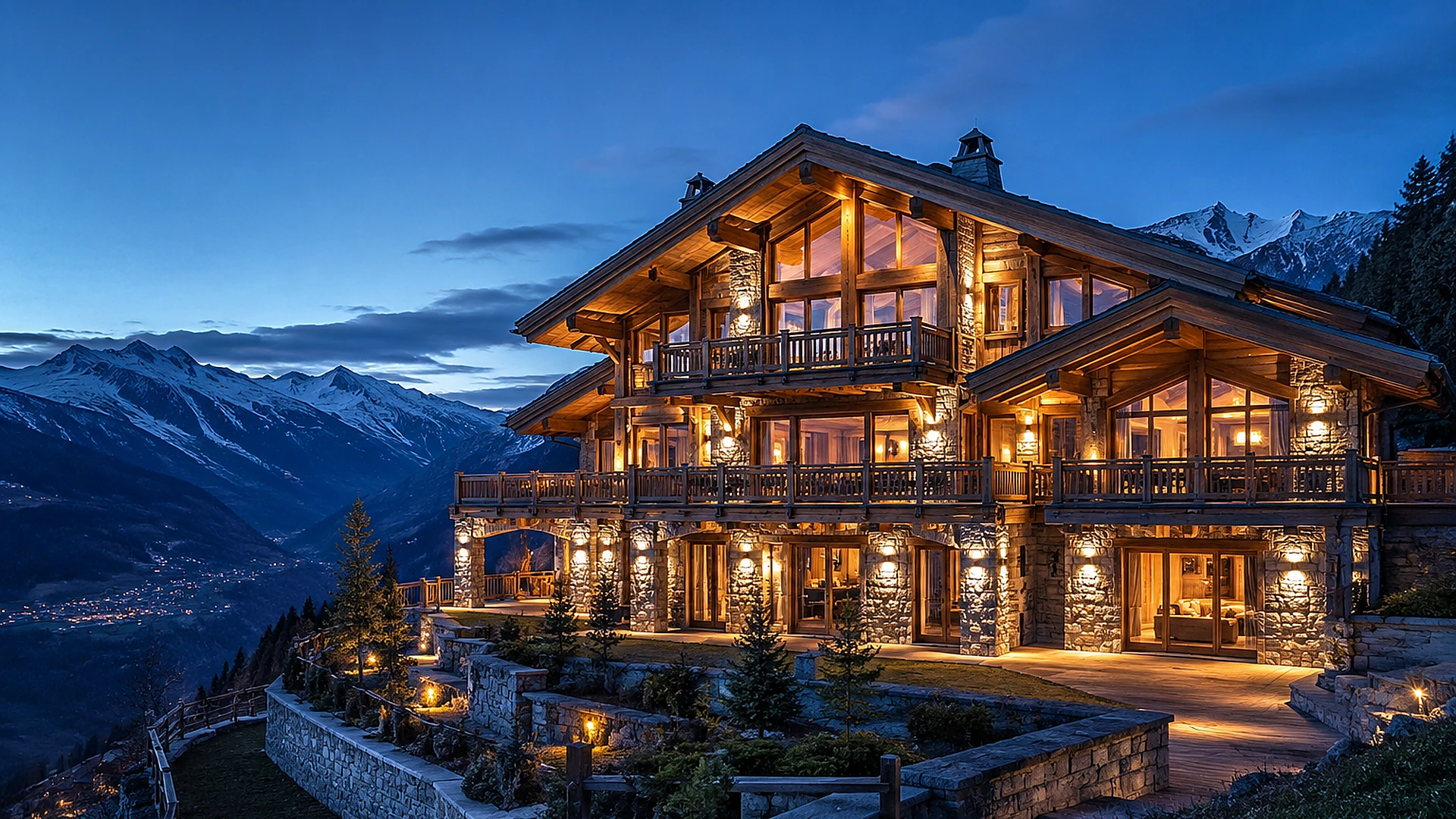
Photography throughout this guide is illustrative of chalet types and design standards; it does not represent specific current listings.
A small selection of chalet opportunities currently being discussed, marketed or searched for through TDRE and the wider Verbier market. Availability, pricing and specifications are reconfirmed before any buyer relies on them.
Further details available on request.
A genuine current TDRE opportunity already shown on the main Verbier page. Exact property details and availability are reconfirmed before disclosure.
View / Discuss This ChaletAsk TDRE to review current chalet opportunities around this budget.
Search This Price RangeSearch established chalets and family residences in this part of the Verbier market.
Search This Price RangeSearch larger family chalets and higher-quality residences in this price range.
Search This Price RangeThis section separates a verified specific TDRE opportunity from wider-market search requirements; the latter are search briefs, not individual properties presented as currently available.

Recent public-market observations have included chalet propositions in the broad CHF 4m–5m area ranging from approximately 176 m² to more than 300 m². These are examples, not a market average or valuation benchmark.
Observed public-market examples — not market averages or valuation benchmarks.The headline price tells you surprisingly little on its own. At around CHF 5m, decide which compromises you are unwilling to make before comparing square metres.

Within this budget, a buyer may be trading floor area for exact position, renovation standard, privacy, ski convenience, parking or a more practical year-round location. The right comparison therefore starts with the requirement rather than a simple price-per-square-metre ranking.

At CHF 5m–7m, buyers often expect fewer compromises, but a higher asking price does not automatically improve every characteristic. Space, configuration, location and condition still need to be weighed against one another.
A useful search brief should distinguish must-haves from preferences: number of bedrooms, guest accommodation, walkability, lift access, views, privacy, parking, outside space, renovation quality and the technical condition of the building.
Two Verbier chalets at similar headline prices can be very different acquisition propositions. The buyer should compare what sits behind the asking price rather than ranking opportunities only by size or bedrooms.

Prime searches can include larger chalet requirements, strong positioning, substantial refurbishment, guest areas, wellness or leisure space, privacy and more extensive parking or ski storage. These are evaluation points, not characteristics that every property will have.
Public price disclosure also becomes less consistent at the upper end. In recent market evidence, many larger chalet offerings were marketed as price on application, making direct portal comparison less useful.
POA simply means the asking price is not publicly disclosed. It does not automatically mean off-market, negotiable or more valuable. For a buyer it means more work is required to understand pricing, specification and how the opportunity compares with alternatives.
Choose what matters most to how the chalet will actually be used.
A 3-bedroom chalet in Verbier can suit family holidays, a couple wanting guest rooms or buyers considering a chalet instead of a larger apartment. Bedroom count alone says little about the living areas, storage, parking, ski equipment space, flexible workspace or the condition of the building.
For a three-bedroom requirement, TDRE would normally define the use case first: how many people stay regularly, whether guests need privacy, how important walkability or ski access is, and whether renovation is acceptable.
Recent public-market examples have included 4-bedroom chalets of approximately 337 m² and 455 m². They should not be treated as typical sizes; they illustrate how little the bedroom count alone tells you about the overall proposition.
Four bedrooms can sit within very different layouts. Buyers should examine bedroom proportions, ensuite provision, circulation, living and dining areas, terraces, storage, garage capacity, ski room and any wellness space that is actually included.
Observed public-market examples — not typical sizes.
Four bedrooms can sit within very different layouts. Buyers should examine bedroom proportions, ensuite provision, circulation, living and dining areas, terraces, storage, garage capacity, ski room and any wellness space that is actually included.


An older chalet can offer character and potential, but the purchase price is only one part of the decision. A serious review should consider roof, façade, windows, insulation, heating, MEP, kitchens, bathrooms, drainage, external areas and practical winter access.
Turnkey property reduces some immediate project risk, but buyers should still verify the quality and age of completed works rather than assuming a recent-looking interior means the entire building has been modernised.
Do not compare purchase prices until likely future expenditure and the quality of past works are understood.
“Ski-in/ski-out” should be used precisely. There is a real difference between direct piste access, being close to a lift, walking comfortably with ski equipment and relying on a shuttle or car. For many buyers, this practical distinction has more impact on use than the marketing label itself.
Direct and genuinely usable piste access.
Short access to a lift, but not necessarily on skis.
Practical on foot with ski equipment.
Convenience depends on road access, parking and transport.
These priorities can conflict. A quieter, elevated chalet may offer views and privacy but work very differently from a central, walkable property in winter.
Whether a particular chalet can be acquired and used as a second home can depend on the purchaser’s circumstances, residence, intended use, the specific property and its legal status. Nationality alone should not be used as a shortcut. Property-specific eligibility and applicable Swiss, cantonal and local requirements should be verified before relying on an opportunity.
The following questions are not a substitute for legal or technical due diligence, but they help define what should be verified before a buyer commits.
Walkability, lift access, winter road access and day-to-day convenience.
Garage or exterior spaces, turning, gradients, snow and delivery access.
Roof, façade, windows, insulation, heating and major refurbishment history.
How much of the quoted area translates into useful living and sleeping space.
Direct piste access, proximity to lifts, walking practicality or transport dependence.
What is protected today and what may change around the property.
Heating, ventilation, electrics, plumbing and likely future CAPEX.
Approved use, second-home status, buyer eligibility and property documentation.
Recent public-market observations have included chalet propositions in the broad CHF 4m–5m area ranging from approximately 176 m² to more than 300 m². These are examples, not a market average or valuation benchmark. Recent observations show that chalet propositions within a broad CHF 4m–5m bracket can vary materially in size and configuration. Exact location, condition, access, status and specification must be compared property by property.
There is no single typical size. Recent public examples observed for this guide included approximately 337 m² and 455 m², which is why the layout matters as much as the bedroom count.
It can be. A 3-bedroom chalet may work well for family holidays, especially when the living areas, storage, parking and ski-equipment space are practical. The more important question is how the household will use the chalet: how often guests stay, whether a flexible room is needed, how much privacy matters and whether a larger apartment could offer a better location for the same budget.
The observable point is simply that many larger properties are marketed without a published asking price. The reason can vary, so POA should not be interpreted as a valuation signal by itself.
It depends on budget, appetite for works, timing and the condition of the building. A lower purchase price can be misleading if substantial technical or regulatory work follows.
Possibly, but eligibility is property- and buyer-specific. The intended use and legal status of the property need to be checked before proceeding.
Recent public-market evidence continues to show substantial variation in advertised chalet size, bedroom configuration and price disclosure. Larger prime chalet offerings are frequently marketed without a published asking price.
Last market review: August 2026A property portal can show you what is advertised. A buyer-side search should also ask whether the property is right for you.
Budget, bedrooms, intended use, location priorities, condition and legal requirements.
Review publicly marketed opportunities against the requirement rather than simply against one another.
Where appropriate, make discreet enquiries beyond the properties already visible online.
Price, condition, access, legal status, likely future investment and overall fit.
Tell us the budget, preferred size, bedrooms, location priorities and intended use. TDRE can review the visible market, compare opportunities in context and investigate appropriate wider-market possibilities.
Start a Private Verbier Chalet Search